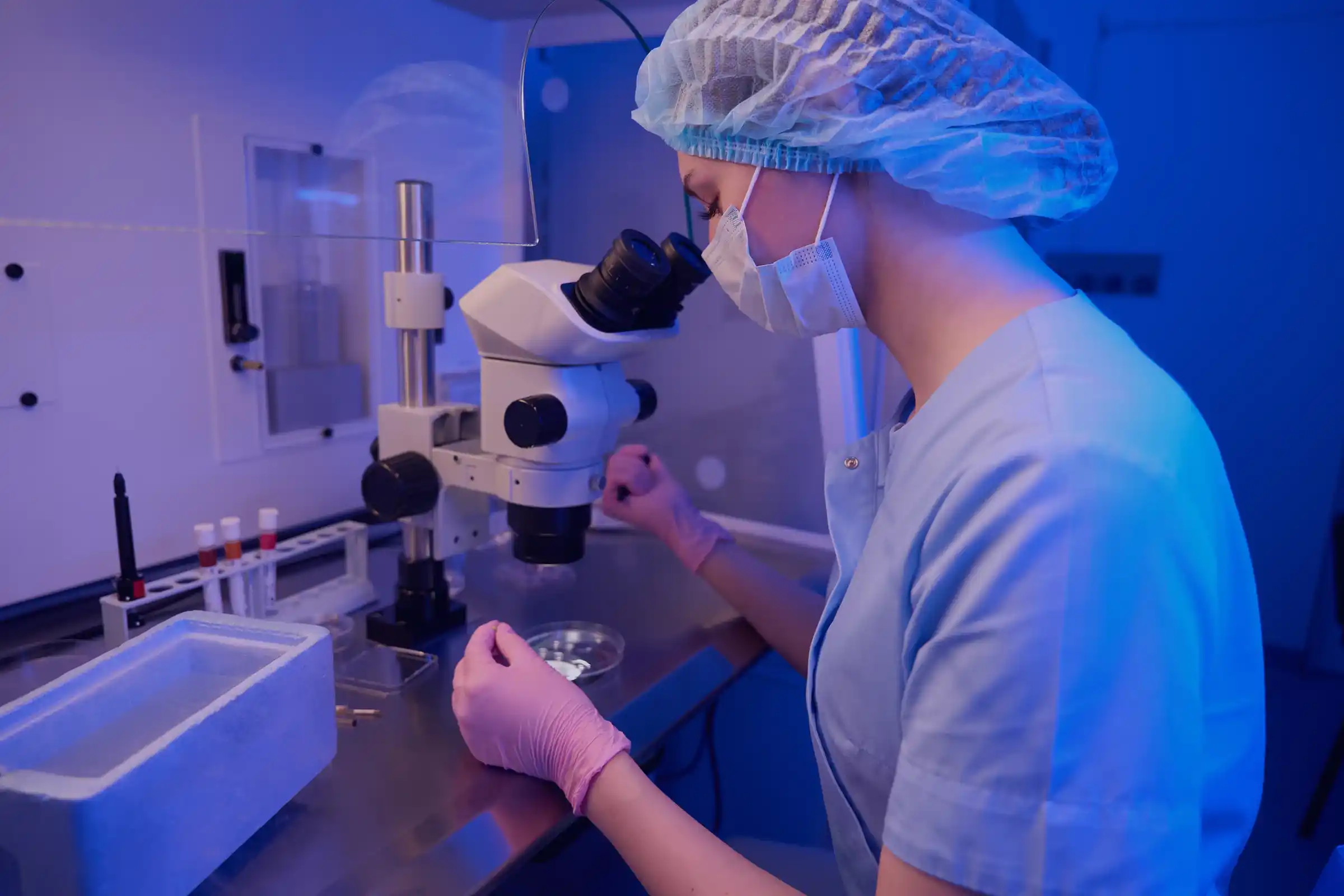

If you are always tired, sleeping badly, gaining weight around your middle, or feeling like your mood no longer belongs to you, hormones may be part of the story. Many adults in Prosper start asking about hormone pellets at exactly this point. They have heard friends mention a tiny procedure that replaces daily pills, patches, or weekly shots, and they want to know what the experience is really like.
This guide walks through the process from the first conversation to the weeks after insertion, so nothing about your visit feels like a surprise. At Perfectly Made Medspa, we believe an informed patient makes the best decisions, so we will cover the benefits and the limits.
What Are Hormone Pellets?
Hormone pellets are very small cylinders, roughly the size of a grain of rice, that contain a plant-derived hormone compounded into a solid form. Depending on your lab results and symptoms, a pellet may contain estradiol, testosterone, or a combination of both. Once placed just beneath the skin, the pellet dissolves slowly and releases a steady trickle of hormone into your bloodstream over several months.
The appeal is consistency. Pills and creams can lead to daily ups and downs, while a pellet is designed to deliver a more even level between visits. If you want a deeper comparison of hormone types, our article on bioidentical hormones versus traditional HRT explains how the options differ.
Signs Your Hormones May Be Out of Balance
Hormone levels shift with age, stress, sleep, and health history. Common reasons people look into pellet therapy include:
- Hot flashes and night sweats
- Trouble falling or staying asleep
- Low energy and afternoon crashes
- Brain fog or trouble concentrating
- Lower interest in intimacy
- Mood swings, irritability, or low mood
- Stubborn weight gain and slower workout recovery
- Thinning hair and dry skin
These symptoms can have many causes, including thyroid issues, nutrient gaps, and stress. That is why proper testing comes before any treatment decision.
What Happens at Your Visit
Step 1: Consultation and lab work
Your journey begins with a conversation about your symptoms, health history, medications, and goals. Bloodwork is reviewed so your provider can see where your levels truly sit instead of guessing. This is also the moment to ask every question you have. Our hormone replacement therapy program always starts here, because a plan built on data is safer and more effective than a one-size-fits-all dose.
Step 2: Choosing a personalized plan
If pellets are a good match, your provider selects the hormone type and dose based on your labs, age, and symptoms. Not everyone is a candidate, and sometimes another approach makes more sense.
Step 3: The insertion
The insertion is short, often finished in a few minutes. Here is the usual flow:
- The area, typically the upper buttock or hip, is cleaned.
- A local numbing medication is applied so you stay comfortable.
- A tiny incision is made and the pellets are placed under the skin.
- The spot is covered with a small bandage or closure strip.
Most people describe a brief pressure sensation rather than sharp pain.
Step 4: Aftercare
You will receive written instructions. In general, expect to keep the site clean and dry for a short window and to avoid intense lower-body workouts, swimming, and soaking in water for a few days so the area heals well.
What You May Feel After Insertion
Everyone responds differently, but here is a general timeline many patients find helpful:
- First few days: Mild tenderness, bruising, or slight swelling at the site is common.
- Weeks one to two: Some people notice better sleep or steadier energy early, while others need more time.
- Weeks three to six: Hormone levels settle, and many patients report a clearer sense of change in mood, focus, and stamina.
- Follow-up: Your provider may recheck labs to confirm that your dose is working for you.
Results are not guaranteed, and the timeline above is a general picture, not a promise.
How Long Do Pellets Last?
Pellets generally work for about three to six months, depending on the hormone, the dose, and how quickly your body uses it. Active people and those with faster metabolisms may need a repeat sooner. Your provider will set a schedule, and many patients return on a regular cycle so symptoms do not creep back.
Who May Be a Good Candidate?
Pellet therapy may be worth discussing if you:
- Have symptoms of perimenopause, menopause, or low testosterone
- Have lab results that support hormone treatment
- Prefer a low-maintenance option over daily dosing
- Are ready to commit to follow-up visits and lab monitoring
It may not be appropriate if you have certain hormone-sensitive conditions, a history of specific cancers or blood clots, or you are pregnant or breastfeeding. Your provider will review all of this with you before anything is recommended.
Possible Side Effects and Risks
Honest care means talking about the downsides. Possible effects include:
- Bruising, soreness, or infection at the insertion site
- Pellet extrusion, where a pellet works its way out of the skin
- Acne, oily skin, or unwanted hair growth with testosterone
- Fluid retention, breast tenderness, or mood changes while levels adjust
Because a pellet cannot be easily adjusted once it is placed, careful dosing matters. Professional groups such as The Menopause Society encourage patients to talk openly with a qualified clinician about the benefits and risks of any hormone therapy, and we agree.
Pellets Compared With Other Options
Pellets are one of several ways to deliver hormones. Creams, patches, oral tablets, and injections each have their own rhythm, convenience, and cost. Some people prefer the flexibility of adjusting a dose often, while others love not thinking about it for months at a time. If you are curious about how hormones connect to metabolism, take a look at our overview of hormone therapy for weight loss, and our post on reclaiming vitality with hormone therapy in Prosper shows how treatment fits into everyday life.
Questions to Ask Before You Book
Bring this short list to your consultation:
- Which labs will you run, and how will you use them?
- Which hormone and dose do you recommend for me, and why?
- How often will I need follow-up visits and repeat insertions?
- What side effects should I watch for, and who do I call if I have concerns?
- What are the full costs, and are there membership or payment options?
Frequently Asked Questions
Is the hormone pellet procedure painful?
How soon will I notice a difference?
Can women and men both receive pellets?
Will I need blood work?
Can I exercise after insertion?
Is pellet therapy the same as hormone replacement therapy?
Ready to Talk About Hormone Pellets in Prosper, TX?
You do not have to guess whether hormones are behind how you feel. A simple consultation can give you real answers and a clear next step. Learn more about our team, browse our full list of services, or contact Perfectly Made Medspa to schedule your visit.
This article is for general education and is not medical advice. Treatment decisions should be made with a licensed provider after a full evaluation.